Churning Options For Betterment
Churning Options For Betterment
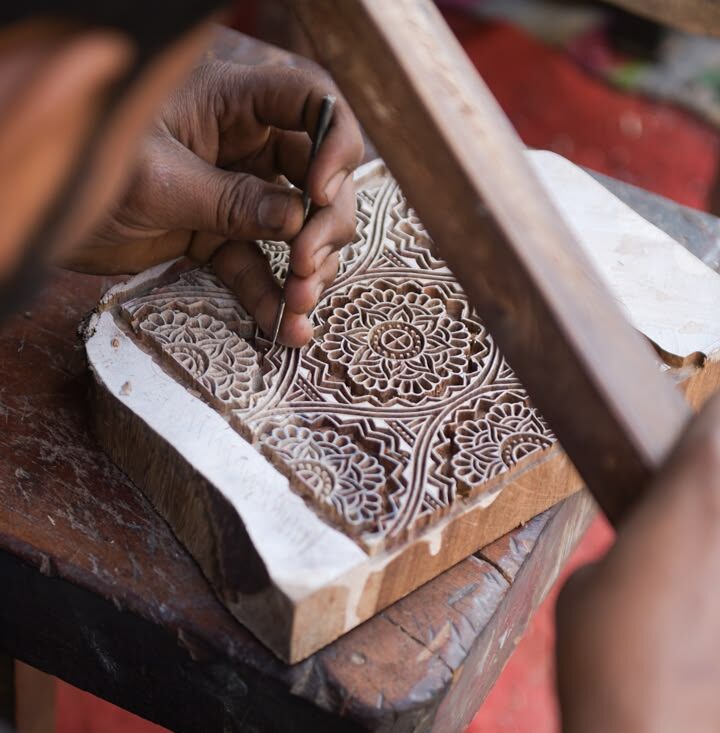
When we talk about traditional crafts, we often talk about preservation.
But a craft tradition doesn’t exist only in an object or a technique.
It exists because people continue to practice it.
And people continue to practice it when the knowledge, community and livelihood around it remain strong.
So, what helps a craft community thrive?
A craft needs people who know how to practice it.
Knowledge is often passed from one generation to another through observation and practice.
Creating opportunities for younger people to learn can help keep this knowledge moving.
Passion alone cannot sustain a craft.
Craft needs to provide meaningful economic opportunity.
Artisans need fair payment for their time, skills and materials.
Without viable livelihoods, younger generations may have little reason to continue the practice.
Even excellent craft needs a market.
But the answer isn’t always to produce more.
Sometimes it is about finding the right market.
A craft product may need better communication, appropriate product development or access to new buyers.
Traditions are not frozen in time.
Craft communities have always adapted to changing materials, customers, technologies and lifestyles.
Thoughtful design intervention can create new opportunities while respecting the identity and knowledge of the craft.
Artisan knowledge deserves recognition.
Not just the finished object, but the skill and thinking behind it.
When people understand the work involved, they are more likely to value it appropriately.
Perhaps most importantly, communities should have a voice in projects that affect them.
Development should not simply arrive from outside.
Good projects begin by listening to what people need, what they want to change and what they already know.
There is rarely one solution to the challenges facing craft communities.
A workshop alone is not enough.
A new product alone is not enough.
A market connection alone is not enough.
Long-term change often requires several things to work together:
Skills + Livelihood + Markets + Community + Knowledge
This is how we think about our work.
Whether we are designing a craft journey, developing a product, documenting a tradition or working on a larger community project, we look beyond the immediate outcome.
The question is:
What can make this relationship useful beyond today?
Because the strongest craft traditions are not simply preserved.
They are lived, practiced and allowed to grow.