Churning Options For Betterment
Churning Options For Betterment

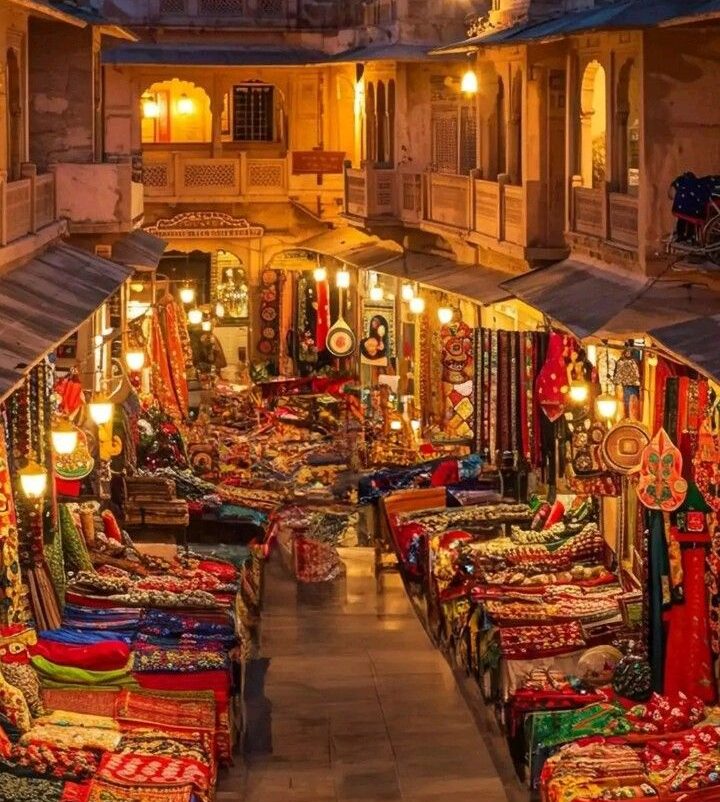
India has thousands of skilled craftspeople and craft communities.
At the same time, designers, brands, hotels, architects and organisations are increasingly looking for authentic handmade work.
So why is it still difficult for them to work together?
Because finding an artisan is only the first step.
An organisation may know that it wants handmade textiles.
But:
Which cluster should it work with?
Who has the required skill?
Can they produce the required quantity?
What is the timeline?
How should the product be specified?
How should quality be discussed?
How does payment work?
How will samples reach the buyer?
These questions can become difficult when the buyer and artisan are separated by language, geography and different ways of working.
Working with craft communities requires more than a contact list.
It requires trust.
It requires understanding the local context.
It requires knowing what a community can realistically produce.
And it requires communication between different worlds.
We work as a bridge between artisan communities and organisations looking to collaborate with them.
Depending on the project, this can include:
Our approach begins with listening.
A design may look beautiful on paper but be impractical to make.
A product may work in a city market but not fit the artisan’s existing tools or process.
Good craft-based product development considers both.
The craft knowledge already exists.
Our role is to understand it, respect it and explore where new opportunities may exist.
The goal should not always be one large order.
A successful collaboration can become a longer relationship.
A designer may return to the same cluster for another collection.
A hotel may develop a regular sourcing relationship.
A brand may support new product development.
An organisation may invest in skill development.
These relationships create more consistent opportunities for artisans.
And consistency matters.
At the centre of every sourcing project is a person.
That changes how we think about the work.
We don’t want to reduce craft communities to suppliers.
We want to help create relationships where both sides understand each other and benefit from working together.
Because when the right connections are made, craft can move beyond the occasional purchase and become a sustainable part of a larger ecosystem.